




Building a 360 customer strategy delivers clear business value. It allows organizations to better understand how customers interact with their brand, align engagement with real behavior, and deliver more relevant experiences across every touchpoint.
Yet most companies still struggle to make this approach operational. According to Gartner, fewer than 10 percent have implemented it effectively, and even fewer use it consistently to drive growth. The gap is not a lack of data, but a lack of connection between systems, behavior, and activation.
This is where managed Wi-Fi, guest Wi-Fi, and proximity marketing come in. Together, they provide the missing layer that connects physical behavior with digital identity and turns a 360 strategy into something usable day to day.
A 360 customer strategy brings together data from multiple sources to create a unified understanding of the customer across interactions, channels, and time.
In practice, most organizations already capture transactional and digital data. What remains less visible is what happens between those interactions, especially in physical spaces. How often customers visit, how long they stay, and how they move through an environment are all critical signals that are rarely captured in a structured way.
Managed Wi-Fi addresses this directly. It turns the network into a continuous source of behavioral insight, capturing how customers engage with a space in real time. This adds a layer of context that traditional data sources cannot provide, making the overall strategy more complete and more accurate.
A strong customer strategy depends on understanding behavior, not just identity. Without that, it becomes difficult to engage customers in a meaningful way or tailor experiences to their expectations.
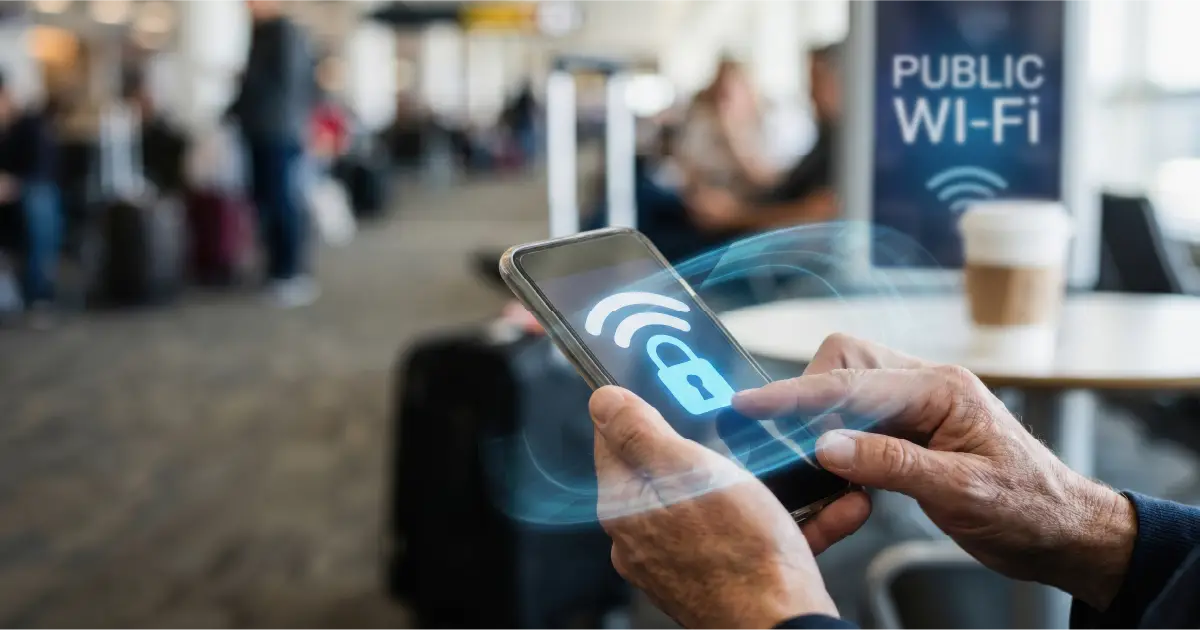
Guest Wi-Fi plays a central role here. It allows businesses to collect both consented first-party data and passive behavioral data in one system. Through login portals, organizations can establish a direct relationship with customers, capturing identifiers such as email or phone number. At the same time, the network observes patterns such as visit frequency, dwell time, and repeat visits.
This combination creates a more accurate picture of the customer over time. It reflects not only who they are, but how they actually interact with the brand in real environments. For industries like retail, hospitality, and restaurants, this level of insight is essential to staying competitive.
Access to meaningful customer data depends on trust and clear value exchange. Customers are willing to share their information when there is a clear benefit, such as a better experience, exclusive offers, or added convenience.
Guest Wi-Fi provides a natural entry point for this exchange. A well-designed login experience can communicate how data will be used, reinforce privacy and security practices, and offer something tangible in return. This could be faster access, personalized promotions, or loyalty-based incentives.
When this interaction is handled properly, it strengthens the relationship from the first connection. It also ensures that the data collected is both compliant and meaningful for future engagement.
As more data is collected, its value depends on how well it is organized and shared across the organization. A 360 strategy requires that customer data be accessible and usable across departments, from marketing to operations to customer service.
Managed Wi-Fi integrates with CRM and marketing platforms to support this. Behavioral data captured through the network can be linked to existing customer profiles, enriching them with real-world activity. This allows teams to work from a shared understanding of the customer rather than fragmented datasets.
It also enables more consistent decision-making. Marketing campaigns, operational planning, and customer experience initiatives can all be informed by the same underlying data.
Collecting and centralizing data is only part of the strategy. The value comes from how it is used.
Proximity marketing allows businesses to act on customer data based on presence and timing. With managed Wi-Fi in place, organizations can engage customers when they are on site, shortly after a visit, or based on repeat behavior patterns.
This includes delivering personalized offers at connection, re-engaging customers after they leave, or recognizing returning visitors and adjusting messaging accordingly. Because these interactions are tied to actual behavior, they are more relevant and more effective than broad, untargeted campaigns.
Over time, this creates a more responsive and adaptive engagement model, where interactions are aligned with how customers actually behave.
Customer expectations continue to rise across industries. Experience, relevance, and consistency now play a central role in how brands are perceived.
A 360 customer strategy supported by managed Wi-Fi and proximity marketing allows businesses to meet those expectations more effectively. It enables more personalized experiences, stronger engagement, and better alignment between digital and physical interactions.
It also provides a clearer understanding of what drives performance. By connecting behavior to outcomes, organizations can refine their approach continuously and focus on what delivers the most impact.
Managed Wi-Fi is often viewed as a technical requirement. In reality, it sits at the center of customer data, behavior, and engagement.
When combined with guest Wi-Fi and proximity marketing, it becomes a core component of a 360 customer strategy. It supports continuous data collection, real-time activation, and cross-channel alignment in a way that traditional systems alone cannot achieve.
This approach allows businesses to move beyond fragmented insights and operate with a clearer, more connected understanding of their customers, both online and in physical spaces.

Every organization is unique. Our experts will work with you to design the right mix of products and services for your needs, from multi-site deployments to enterprise-scale rollouts.


.svg)